
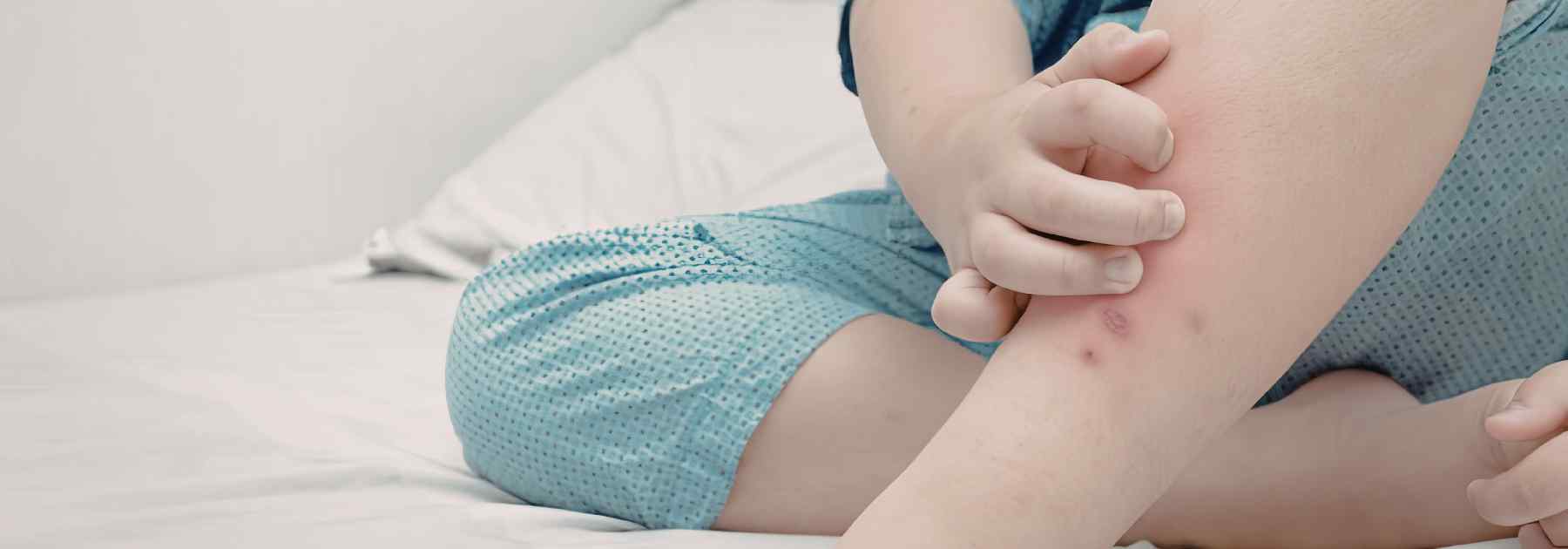
An insect bite can seem like a minor irritation at first, but for some people it can quickly develop into something that needs professional attention. If the skin around a bite becomes red, swollen, warm or begins to weep, it could be a sign of infection. Knowing where to turn for fast, reliable help can make a real difference to how quickly you recover.
At Nettles Pharmacy in London, we offer same-day support for infected insect bites through the NHS Pharmacy First service, so you can get assessed and treated without waiting for a GP appointment. If you are concerned about a bite, contact us today or book now to speak with our team.

What Is an Infected Insect Bite?
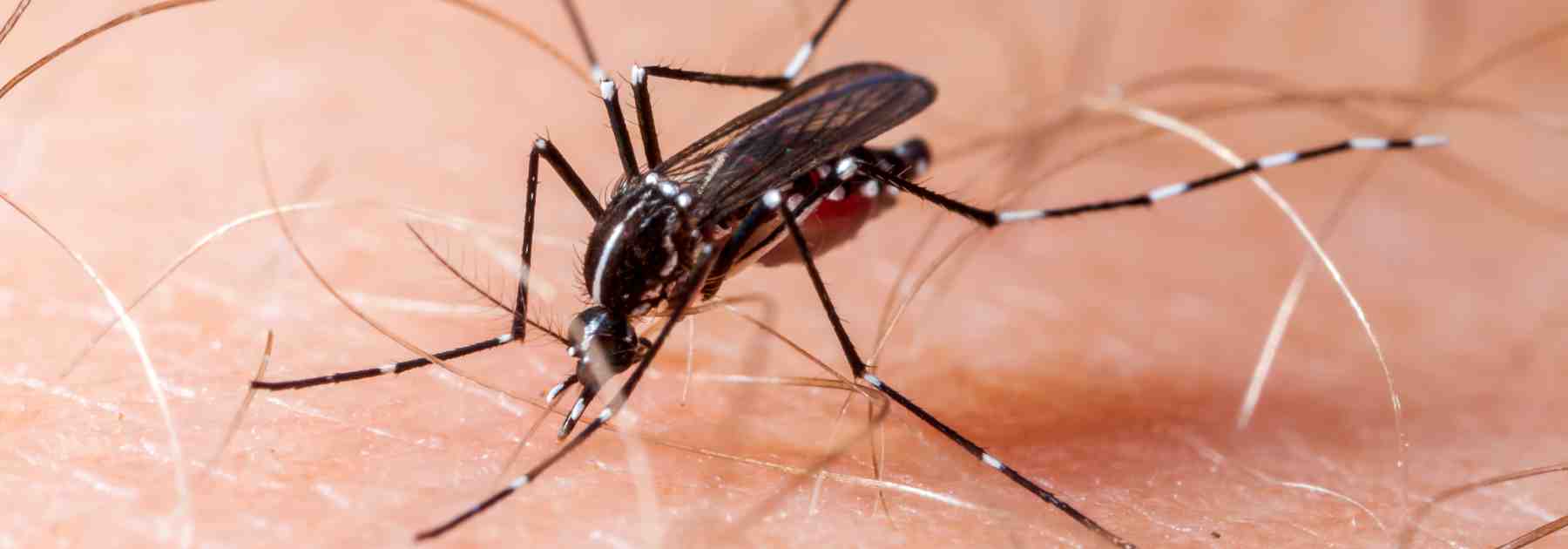
Most insect bites in the UK are harmless and cause only mild discomfort. However, scratching the bite or having a weakened immune system can allow bacteria to enter the skin, leading to infection. This is more common than many people realise, particularly during summer months when insects are most active.
Insect bites and stings are very common and usually improve within a few hours or days, but signs of infection require prompt attention to prevent the condition from worsening.
Common insects responsible for bites in the UK include:
- Mosquitoes
- Midges
- Fleas
- Horseflies
- Bedbugs
- Ticks
How to Tell If Your Bite Is Infected: Warning Signs to Watch For
It is important to know the difference between a normal reaction and one that suggests infection. A standard bite may cause temporary redness, itching and mild swelling that settles on its own. An infected bite behaves differently and tends to get worse rather than better over time.
Signs that your insect bite may be infected include:
- Increasing redness that spreads beyond the original bite site
- Skin that feels hot or warm to the touch
- Swelling that grows rather than reduces
- Pain or tenderness around the area
- Pus or fluid weeping from the bite
- A raised, firm area beneath the skin
- Fever, chills or flu-like symptoms
- Red streaks spreading from the bite (this requires urgent medical attention)
If you notice red streaks moving away from the bite, this may indicate a more serious infection spreading through the lymphatic system and you should seek urgent care immediately.
What Is Pharmacy First and How Does It Help?
The NHS Pharmacy First service allows patients to be assessed and treated for a range of common conditions directly at a pharmacy, without needing to see a GP first. Infected insect bites are one of the conditions covered under this service, making it a fast and convenient option for many people in London.
Through Pharmacy First, our team can:
- Assess the bite and surrounding skin
- Determine whether infection is present
- Recommend appropriate over-the-counter treatment where suitable
- Supply prescription-only treatment, including antibiotics, where clinically appropriate
- Refer you to a GP or urgent care if your condition requires further investigation
This means you can often receive the care you need on the same day, without taking time off work for a GP appointment or waiting days for an available slot.
Infected Bite: At a Glance
| Symptom | Normal Reaction | Possible Infection | Action Needed |
|---|---|---|---|
| Redness | Small, localised | Spreading or worsening | Seek pharmacy advice |
| Swelling | Mild, settles quickly | Increasing over time | Seek pharmacy advice |
| Temperature | None | Warm or hot skin | Seek pharmacy advice |
| Discharge | None | Pus or fluid present | Same-day care recommended |
| Red streaks | Not present | Spreading from bite | Seek urgent medical care |
| Fever | Not present | Chills, sweating, high temp | Seek urgent medical care |
Tips for Managing an Insect Bite at Home
Clean the area gently
Wash the bite with mild soap and warm water as soon as possible. This helps remove surface bacteria and reduces the risk of the bite becoming infected. Pat dry with a clean cloth rather than rubbing.
Apply a cold compress
Wrap an ice pack or a bag of frozen peas in a cloth and hold it against the bite for up to 10 minutes at a time. This can help reduce swelling and ease discomfort in the early stages.
Avoid scratching
It can be tempting, but scratching breaks the skin and allows bacteria to enter, which significantly increases the chance of infection. Keep nails short and clean if the urge to scratch is difficult to resist.
Take an antihistamine
An over-the-counter antihistamine tablet can help reduce itching and mild swelling. These are available from our pharmacy team in London and are suitable for most adults and children over the recommended age.
Use a hydrocortisone cream
A mild hydrocortisone cream, available over the counter, can reduce inflammation and relieve itching for bites that have not yet become infected. Ask our team if you are unsure which product is right for you.
Elevate the affected limb
If the bite is on your arm or leg and there is noticeable swelling, try to keep the limb raised when resting. This can help reduce fluid build-up around the area.
Do not squeeze or drain the bite
Attempting to squeeze or drain a bite yourself can push bacteria deeper into the skin and make things worse. If the bite is weeping or has become a raised lump, speak with our team rather than trying to treat it at home.
Extra Information: When to Go Straight to A&E
Whilst Pharmacy First covers most cases of infected insect bites, certain situations require emergency care. Go to A&E or call 999 if you experience difficulty breathing or swallowing, swelling of the face, lips or throat, dizziness or feeling faint, or a rapid heartbeat alongside other symptoms. Signs of anaphylaxis should also be treated as an emergency. These may indicate a serious allergic reaction and require immediate emergency treatment.
FAQs: Infected Insect Bites
Can a pharmacist treat an infected insect bite?
Yes. Through the NHS Pharmacy First service, a pharmacist can assess your bite and, where appropriate, provide treatment including prescription antibiotics without you needing to see a GP first.
Do I need an appointment to be seen at Nettles Pharmacy?
You can walk in or book in advance to save time. Our team will aim to see you as quickly as possible.
How long does an infected insect bite take to clear up?
With appropriate treatment, most infected bites begin to improve within a few days. Always complete any course of antibiotics as prescribed, even if the bite looks better.
Is the Pharmacy First service free on the NHS?
Yes. NHS Pharmacy First is available free of charge to eligible patients in England.
What antibiotics are used for infected insect bites?
The choice of antibiotic depends on the severity and type of infection. Our pharmacists will assess your situation and recommend the most appropriate treatment for you.
Can children be treated for infected bites through Pharmacy First?
Pharmacy First is available for patients of all ages, though suitability for specific treatments will depend on the child’s age and the nature of the infection. Our team will advise accordingly.
A Note on This Guide
Same-Day Support in London
An infected insect bite should not be left to chance. Whether you have noticed the early signs of infection or the bite has been getting progressively worse over the past day or two, our team at Nettles Pharmacy in London is here to help. Through the NHS Pharmacy First service, we can assess your bite, provide same-day treatment and give you the guidance you need to recover quickly and safely.
Do not wait and hope it clears up on its own. Get in touch with us today or book now to see our pharmacy team in London.