

Most people assume that once you have had shingles, you are unlikely to see it again. In reality, this is one of the most common misunderstandings we hear from patients in our London pharmacy. Shingles is caused by a virus that never fully leaves the body, which means a second, or even third, episode is entirely possible. At Nettles Pharmacy, we regularly support patients through the Pharmacy First scheme, helping them access timely advice and treatment for shingles without needing to wait for a GP appointment. In this guide, we explain the science behind shingles recurrence, who is most at risk, what triggers a second episode, and how our London team can help you manage symptoms quickly and comfortably. Read on to learn more, or contact us or book an appointment for personalised support.
Quick Answer
Yes, you can get shingles more than once. It is less common than a first episode, but the varicella-zoster virus stays dormant in your nerve cells for life, so it can reactivate again, particularly if your immune system is under pressure. Early treatment through Pharmacy First can help reduce pain and lower the risk of complications.
What Is Shingles?
Shingles, or herpes zoster, is caused by the reactivation of the varicella-zoster virus, the same virus responsible for chickenpox. Once you have had chickenpox, the virus does not leave your body. Instead, it lies dormant in your nerve cells, sometimes for decades, before reactivating unexpectedly. Doctors do not fully understand why this happens in some people and not others, but a weakened or stressed immune system is thought to play a central role.
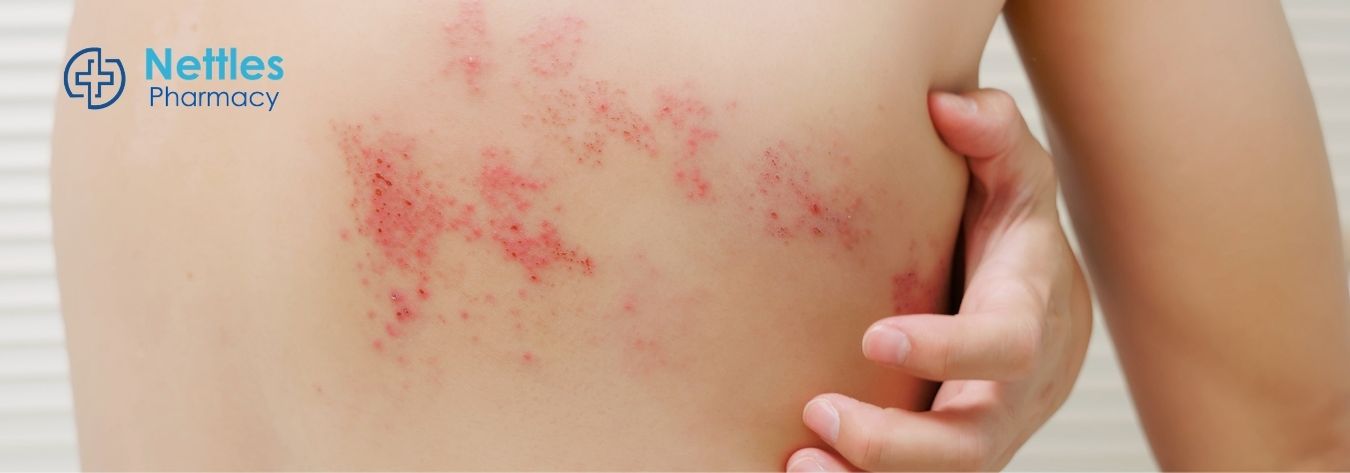
Symptoms usually begin with tingling, burning or pain on one side of the body or face, followed a few days later by a blistering rash that tracks along the affected nerve. This can be accompanied by fatigue, sensitivity to light, headache and, in some cases, long lasting nerve pain known as postherpetic neuralgia, which can persist for months after the rash has healed.
Can You Contract Shingles Twice?
The short answer is yes. While most people who develop shingles will only ever experience it once, a second episode is possible, and for some people it happens more than twice. According to NHS guidance, shingles can return, and this is more likely in people whose immune system is weakened, whether through age, illness or certain medications.
There is a persistent myth that shingles cannot recur once you have had it. This is not accurate. Because the virus remains in your nervous system permanently, it can reactivate at any point if your immune defences drop, sometimes appearing in a completely different area of the body from where the rash first developed.
How Common Are Recurrent Cases?
Recurrent shingles is not typical, but it is far from rare, particularly among older adults and people with certain health conditions. A second episode can develop years, or even decades, after the first, which is why many patients are caught off guard when familiar symptoms return. The likelihood of recurrence tends to be higher in:
- Older adults, especially those aged over 60
- People with weakened immune systems
- Individuals under prolonged physical or emotional stress
- Those with certain medical conditions, such as diabetes, cancer or autoimmune disorders
- People taking immunosuppressive medication for an existing health condition
If you fall into one of these groups and have had shingles before, it is worth staying alert to early symptoms and seeking prompt treatment if they return, rather than assuming a tingling sensation is unrelated.
What Triggers a Second Shingles Episode?
The exact mechanism behind viral reactivation is not fully understood, but several known factors are thought to increase the likelihood of a repeat episode.
- Ageing: Your immune system naturally weakens over time, which makes viral reactivation more likely as you get older
- Stress: Ongoing emotional or physical stress can lower your immune defences and create the conditions for the virus to reactivate
- Illness: Underlying health conditions or recent infections can place extra strain on the immune system
- Immunosuppressive medication: Treatments for conditions such as cancer or autoimmune diseases can increase susceptibility to reactivation
- Injury or trauma: Physical trauma, particularly involving the spine or nerves, has been linked to localised reactivation in some cases
Recognising these triggers can help you understand your own risk profile and act quickly if symptoms return, rather than dismissing them as something else.
What If You Think You Have Shingles Again?
If you notice familiar warning signs, tingling, burning or pain on one side of your body or face, followed by a red, blistering rash, shingles could well be back. The sooner antiviral treatment begins, the more effectively it can limit how far the virus spreads, reduce the intensity of the pain and lower your risk of complications such as postherpetic neuralgia.
At Nettles Pharmacy, we offer Pharmacy First shingles treatment in London, meaning eligible patients can receive professional advice and prescription strength antivirals directly from our pharmacy team, without needing to wait for a GP appointment. This service is designed to give you fast access to care when you suspect shingles, helping you manage symptoms quickly and reduce your risk of longer term nerve pain.

How We Can Help at Nettles Pharmacy
Our experienced London team is trained to assess shingles symptoms and refer you on where necessary. Here is how we support your recovery, whether this is your first episode or a recurrence:
- Private consultation in a discreet and supportive setting
- Quick assessment of symptoms, including your individual risk of recurrence
- Supply of antiviral medication, subject to eligibility
- Pain management advice and guidance on over-the-counter relief options
- Practical tips on keeping the rash clean, dry and reducing the risk of spreading it to others
- Advice on shingles vaccination for patients who are eligible
If you are unsure whether your symptoms point to shingles or something else entirely, our team can help identify the most likely cause and recommend the right next step, whether that is treatment with us or a referral elsewhere.
Hints and Tips for Managing a Shingles Flare-Up
- Keep the rash clean and dry, and avoid picking or scratching it
- Wear loose, breathable clothing over the affected area to reduce irritation
- Avoid contact with anyone who has not had chickenpox, particularly pregnant women, newborns and people with weakened immunity
- Use cool compresses to help soothe discomfort, alongside any pain relief advised by your pharmacist
- Rest as much as possible while your body fights the infection
Can You Prevent Shingles from Returning?
There is no guaranteed way to prevent shingles completely, but the shingles vaccine significantly reduces the risk of both a first episode and a recurrence. It is offered on the NHS to adults in specific age groups, and privately to other eligible adults who fall outside the NHS criteria. If you have already had shingles once, vaccination afterwards can still meaningfully lower your chances of experiencing it again.
Alongside vaccination, looking after your general health, managing stress, eating well and getting enough rest, can also help support a stronger immune system, which may reduce the likelihood of the virus reactivating. Speak to our pharmacy team in London about whether the shingles vaccine is a suitable option for you.
Living Well After a Shingles Diagnosis
Whether this is your first episode or a recurrence, recovery does not stop once the rash has healed. Some patients continue to experience lingering nerve sensitivity for weeks or months afterwards. If pain persists beyond this point, it is worth discussing further options with a healthcare professional, since ongoing nerve pain can usually be managed more effectively when addressed early. Keeping a simple note of your symptoms, including when they started and how they have changed, can also help our team or your GP tailor any follow up care more precisely.
Frequently Asked Questions
Can you get shingles twice in the same place on your body?
It is possible, though a second episode more commonly appears in a different area, since the virus can reactivate along any affected nerve pathway. The location depends on which nerve cluster the dormant virus reactivates in, which is why some patients are surprised to see the rash appear somewhere entirely new.
How soon after a first episode can shingles come back?
There is no fixed timeframe. Some people experience a second episode within a few years, while for others it may be decades before symptoms return, if they return at all. Recurrence tends to be more closely linked to changes in immune function than to a set amount of time passing.
Is a second episode of shingles usually milder or more severe?
This varies from person to person. Some patients find a recurrence milder because they recognise the early symptoms and seek treatment sooner, while others, particularly those with weakened immunity, may experience a more severe episode. Prompt treatment is the most reliable way to reduce severity, regardless of whether it is your first or second episode.
Does the shingles vaccine work if I have already had shingles?
Yes. Vaccination after a first episode can still help reduce the risk of a future recurrence. It does not remove the virus from your body, since this is not possible, but it can help your immune system respond more effectively if the virus attempts to reactivate again.
Can stress alone cause shingles to come back?
Stress on its own does not guarantee a recurrence, but prolonged emotional or physical stress can weaken your immune defences, which may create the right conditions for the virus to reactivate. Managing stress through rest, support and healthy routines is a sensible precaution, particularly if you have had shingles before.
When should I see a pharmacist rather than wait to see my GP?
If you notice tingling, burning or pain followed by a blistering rash, it is best to seek advice as soon as possible, since antiviral treatment works most effectively when started early. Through Pharmacy First, our London team can assess your symptoms and, where appropriate, provide antiviral treatment without you needing to wait for a GP appointment.
Can I spread shingles to someone else?
You cannot pass shingles itself to another person, but the fluid from the blisters can spread the varicella-zoster virus to someone who has never had chickenpox, potentially causing chickenpox in them. Keeping the rash covered and avoiding close contact with pregnant women, newborns and people with weakened immunity is recommended until the blisters have crusted over.
So, can you contract shingles twice? Yes, and understanding the risks, recognising the early signs and seeking prompt treatment can make a real difference to how quickly and comfortably you recover. At Nettles Pharmacy, our Pharmacy First shingles service ensures you get the care you need, when you need it, without unnecessary delay. Think you might have shingles again? Do not wait. Contact Nettles Pharmacy today for assessment, advice and support, or book your appointment with our London team.
You may also find our guides on is sinusitis contagious and infected insect bites useful, or browse more health advice on our blog.
While you are here, it is also worth checking whether our flu jab service could benefit you through Shingles season and beyond.
