
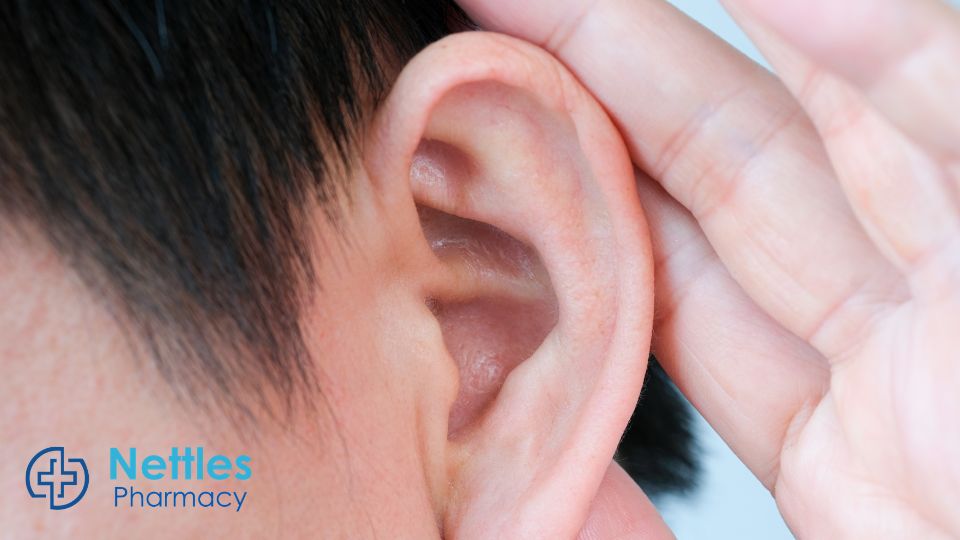
Earache can strike at any age, but it is one of the most common reasons parents in Tooting bring their children into the pharmacy asking for help. A sudden tug at the ear, disturbed sleep, or a toddler who will not stop crying can leave any parent wondering whether they need a GP appointment, an emergency visit, or something simpler.
The good news is that many cases of earache can be safely assessed and, where appropriate, treated without needing to see a GP. At Nettles Pharmacy, our team can offer guidance and, for eligible children, treatment through the NHS Pharmacy First service. If you are worried about your child’s ear pain, contact us or call the team for advice today.
Quick Answer
Most earache is caused by a middle ear infection, wax build up or pressure changes, and often settles within a few days with pain relief and home care. Children aged 1 to 17 with an ear infection may be seen under NHS Pharmacy First. Seek urgent help if pain lasts beyond three days, there is discharge from the ear, or your child has a high temperature that will not settle.
What Causes Earache?
Earache has several possible causes, ranging from mild and self-limiting to conditions that need medical attention. Understanding the likely cause can help you decide on the right next step.
- Middle ear infection (acute otitis media), especially common in young children
- Outer ear infection (otitis externa), sometimes called swimmer’s ear
- Build-up of earwax pressing on the eardrum
- Pressure changes from colds, sinus congestion or flying
- Referred pain from teething, sore throat or jaw problems
- Fluid trapped behind the eardrum (glue ear) in children
According to the NHS, ear infections are particularly common in babies and young children because their Eustachian tubes are shorter and more horizontal, making it easier for fluid and bacteria to build up in the middle ear.
Pharmacy First: Treating Ear Infections in Children
One of the most useful services available at Nettles Pharmacy is NHS Pharmacy First, which allows our trained pharmacists to assess and, where clinically appropriate, treat certain conditions without needing a GP appointment. Acute otitis media (a middle ear infection) in children is one of the conditions covered under this scheme.
Under the NHS Pharmacy First pathway, this service is generally available for children aged 1 to 17 years who present with symptoms of an ear infection. During a Pharmacy First consultation, our pharmacist will:
- Ask about symptoms, duration and any previous ear problems
- Check for red flag symptoms that may need urgent referral
- Assess whether the ear infection is likely bacterial or viral
- Discuss safe pain relief options suitable for your child’s age
- Supply antibiotics if clinically appropriate, following NHS guidance
- Advise on when to seek further help if symptoms do not improve
Not every child with earache will need antibiotics. Many ear infections are viral and settle on their own within a few days with simple pain relief. Our pharmacist will explain the reasoning behind the recommended approach so you understand what to expect and when to come back if things do not improve.

How to Relieve Earache at Home
While waiting for an appointment, or for mild earache that does not require immediate treatment, there are several things that may help ease discomfort.
- Age-appropriate pain relief such as paracetamol or ibuprofen, used as directed
- A warm (not hot) flannel held gently against the affected ear
- Keeping the head slightly raised on an extra pillow when sleeping
- Avoiding inserting cotton buds or objects into the ear canal
- Staying well hydrated, particularly important for young children
Ear drops should only be used if recommended by a pharmacist or prescriber, as certain products are unsuitable if there is a chance the eardrum has perforated.
When to Seek Further Help
Most earache settles within a few days, but some symptoms need prompt medical attention rather than watchful waiting.
- Earache lasting longer than three days without improvement
- High temperature that does not settle with pain relief
- Fluid, pus or blood discharge from the ear
- Swelling behind or around the ear
- Severe pain, stiff neck or a child who seems unusually drowsy
- Hearing loss or a baby under three months with a temperature
If your child shows any of these signs, please seek urgent medical advice from NHS 111, a GP or A&E rather than waiting for a pharmacy consultation.
Earache at a Glance
| Cause | Common Age Group | Typical Approach | Usually Needs GP? |
|---|---|---|---|
| Middle ear infection | Children, especially under 5 | Pharmacy First assessment, pain relief, antibiotics if needed | Sometimes |
| Outer ear infection | All ages, common after swimming | Pharmacist advice, ear drops if suitable | Sometimes |
| Earwax build-up | Adults and older children | Ear drops, pharmacy advice | Rarely |
| Pressure or cold related | All ages | Self-care, decongestants if suitable | Rarely |
Hints and Tips for Parents
- Keep a simple symptom diary noting temperature, pain level and sleep, this helps our pharmacist assess quickly
- Bring a list of any medicines your child is currently taking to your consultation
- Do not stop a prescribed course of antibiotics early, even if symptoms improve
- If one course of treatment has not worked, tell us, do not simply repeat the same approach
FAQs About Earache and Pharmacy First
Can Pharmacy First treat ear infections in Tooting?
Yes. Our pharmacists can assess and, where appropriate, treat ear infections in children aged 1 to 17 under the NHS Pharmacy First service.
Do all ear infections need antibiotics?
No. Many ear infections are viral and improve on their own within a few days with pain relief. Antibiotics are only supplied when clinically appropriate.
Can adults use Pharmacy First for earache?
The Pharmacy First ear infection pathway is aimed at children aged 1 to 17. Adults with earache can still book a consultation for general advice and appropriate referral if needed.
How long does earache usually last?
Most earache linked to infection improves within two to three days. If pain continues beyond this or worsens, further assessment is recommended.
Is it safe to fly with earache?
Flying with an active ear infection can be uncomfortable and may worsen pressure related pain. It is best to seek advice before travelling if symptoms are ongoing.
Can earwax cause earache?
Yes. A build up of earwax can press on the eardrum and cause discomfort or muffled hearing. This can often be managed with pharmacy advice and suitable ear drops.
What should I bring to a Pharmacy First consultation?
Please bring details of your child’s symptoms, how long they have lasted, their temperature history and a list of any current medicines.
Caring for Ear Health in Tooting
Earache can be distressing, particularly for young children who cannot always explain how they feel. Knowing the common causes, sensible home care steps and the red flags that need urgent attention can help you respond calmly and confidently.
If your child is struggling with ear pain, our Pharmacy First service in Tooting offers a straightforward way to get assessed quickly. You can also browse more health guidance on our pharmacy blog, or view our full range of pharmacy services.
