
Skin conditions around the mouth can look very similar, which is why many people struggle to tell the difference between impetigo and cold sore symptoms. Both conditions can cause blisters, irritation, and crusting around the lips or nose, but they are caused by different infections and require different treatments.
Understanding the signs can help you decide what to do next and whether Pharmacy First treatment may help. If you are unsure about a skin infection, reach out to the team at Nettles Pharmacy or book an appointment for professional advice.
Do I Have a Cold Sore or Impetigo?
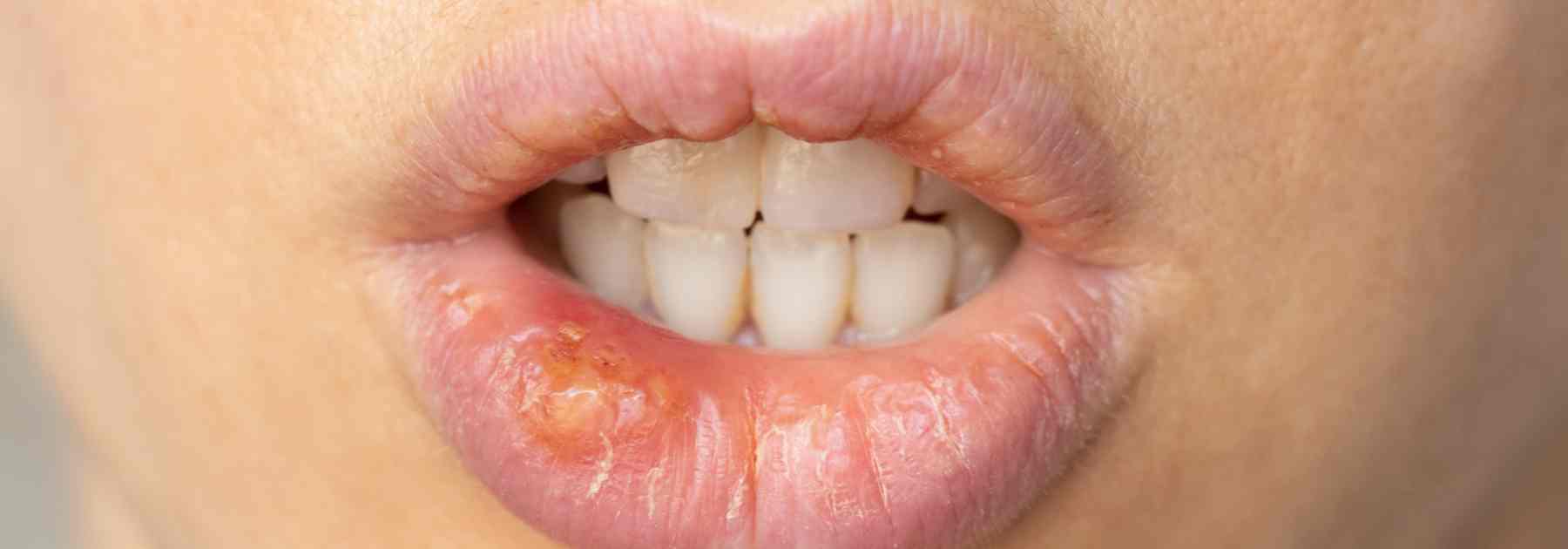
When comparing impetigo vs cold sore symptoms, the key difference is the cause of the infection. Cold sores are caused by the herpes simplex virus, while impetigo is a bacterial skin infection.
Cold sores often appear as tingling blisters on or around the lips, while impetigo usually causes honey coloured crusts on the skin, often around the mouth or nose. A pharmacist can help assess symptoms and recommend suitable treatment.
How to Differentiate Between Cold Sores and Impetigo
If you are unsure whether you have impetigo or a cold sore, these signs may help guide you.
Important things to look out for include:
- Cold sores often start with tingling or burning before blisters appear
- Impetigo commonly produces yellow or honey coloured crusts
- Cold sores usually appear directly on the lip border
- Impetigo can spread more easily across surrounding skin
- Cold sores are caused by a virus, while impetigo is bacterial
- Pharmacy First services may help treat mild impetigo
Recognising these differences can help you decide when to seek professional advice.
Do I Have a Cold Sore or Impetigo? Steps to Help You Understand
A helpful way to identify the difference is to follow a simple symptom flow guide.
Step 1: Did the area start with tingling or burning?
Cold sores often begin with a tingling or itching sensation before visible blisters appear. This early warning sign is common with herpes simplex infections.
If the sore appeared suddenly without this sensation, impetigo may be more likely.
Step 2: What do the blisters look like?
Cold sores usually develop into small fluid filled blisters clustered together on or around the lips.
Impetigo often begins with red sores that burst and leave behind yellowish crusts.
Step 3: Is the infection spreading across the skin?
Impetigo can spread more easily across surrounding skin, particularly in children. The sores may appear around the nose, mouth, or other areas of the face.
Cold sores typically remain localised to the lips or nearby skin.
Step 4: Have you had this before?
Cold sores often recur in the same area because the virus remains in the body after the first infection.
Impetigo usually appears as a new infection and may resolve once treated.
Easily Compare Impetigo vs Cold Sore
| Feature | Cold Sore | Impetigo |
|---|---|---|
| Cause | Herpes simplex virus | Bacterial infection |
| Early symptom | Tingling or burning sensation | Red sores or spots |
| Appearance | Clusters of small blisters | Crusty sores with honey coloured scabs |
| Common location | Lips or lip border | Around nose, mouth, or face |
| Treatment | Antiviral creams or medication | Topical antibiotic treatment |
This comparison highlights why proper identification is important for treatment.
How Pharmacy First Can Help
Under our Pharmacy First service in London, pharmacists can assess certain minor conditions and provide treatment without needing a GP appointment.
For impetigo, pharmacists may provide advice and treatment options depending on the severity of the infection.
Cold sores are typically managed with antiviral treatments and supportive care. A pharmacist can recommend appropriate products and help you manage symptoms.

Getting Help in London
Many patients begin by noticing redness or blisters around the mouth and searching online for answers. Because impetigo vs cold sore symptoms can look similar, it can be difficult to identify the condition alone.
Visiting a pharmacy allows a trained professional to examine the affected area and ask questions about symptoms. The pharmacist can then recommend suitable treatment or refer you for further care if necessary.
This approach provides fast and convenient access to treatment without waiting for a GP appointment.
Frequently Asked Questions
Is impetigo more contagious than a cold sore?
Both conditions can spread through close contact, but impetigo may spread more easily through skin contact or shared items.
Can impetigo look like a cold sore?
Yes. Early impetigo lesions can sometimes resemble cold sore blisters, which is why professional assessment may help.
Can I treat impetigo at a pharmacy?
Pharmacy First services may offer treatment for mild impetigo and advice on managing the infection.
Do cold sores always appear in the same place?
Cold sores often recur in similar areas because the virus remains in the body.
Should I cover impetigo or a cold sore?
Keeping the area clean and avoiding touching the sores helps reduce the risk of spreading infection.
When should I seek medical advice?
If symptoms worsen, spread significantly, or do not improve, you should speak with a healthcare professional.
Speak With Our Pharmacy Team Today
If you are unsure whether you have impetigo or a cold sore, professional advice can help you get the right treatment sooner.
Contact Nettles Pharmacy, visit us at 18 Upper Tooting Road, Tooting, London, United Kingdom, SW17 7PG, or book an appointment today to discuss your symptoms and access Pharmacy First support.

This information is intended as a general guide. For personalised advice, speaking directly with one of our healthcare professionals is always recommended.
This blog was written on behalf of Nettles Pharmacy by Pharmacy Mentor.